
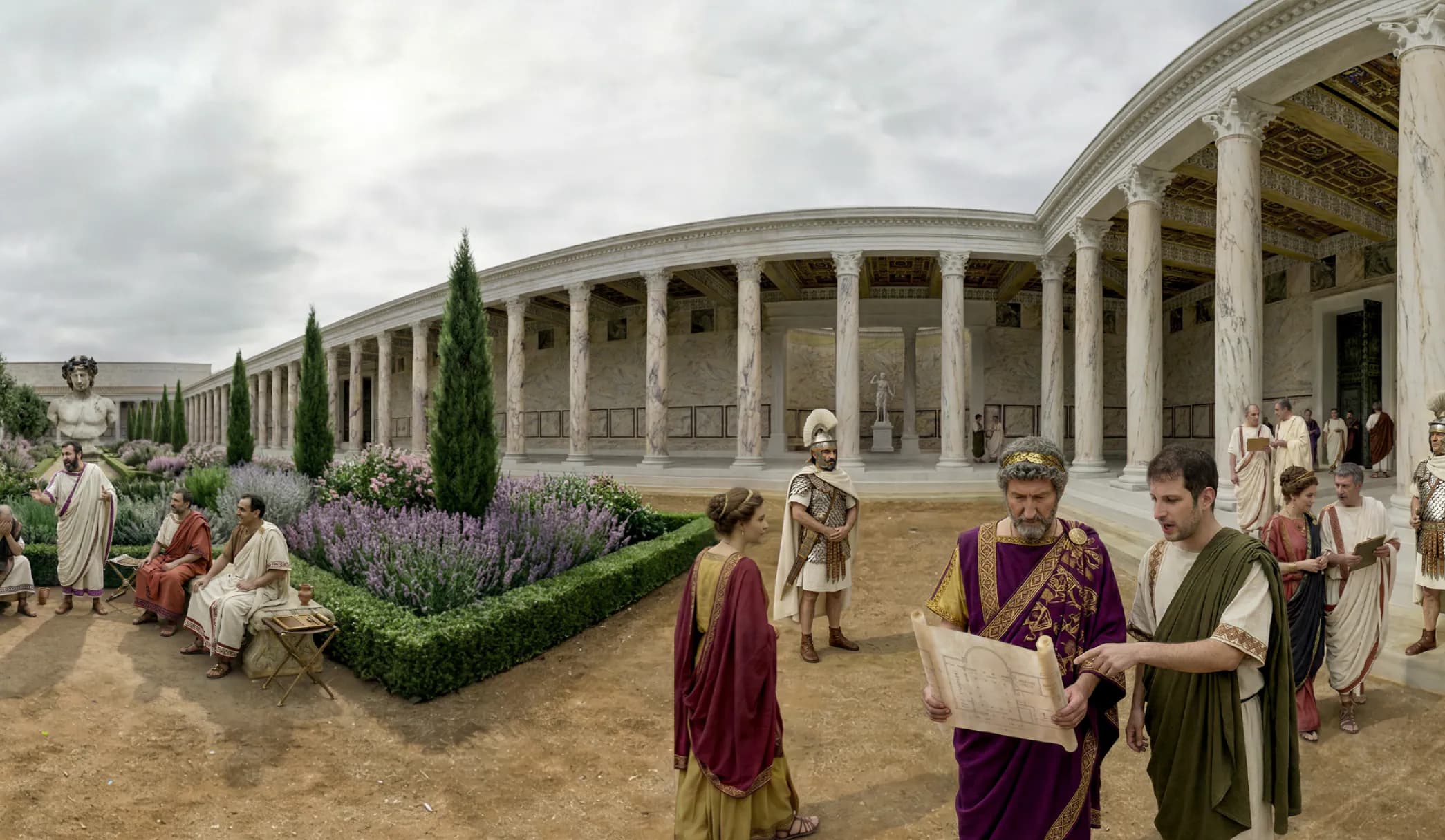
Bring history back to life on site
TimeLens helps museums, heritage sites and cultural institutions make the past visible again through immersive reconstructions visitors can explore directly on their own phones.
Bring history to life at your location
Many historic places have immense historical value, yet it can be difficult for visitors to understand what once stood there. Buildings have disappeared, streets have changed, and what remains often requires imagination or prior knowledge to interpret.
TimeLens helps you make the past visible again, directly on site. Visitors experience carefully researched reconstructions that restore buildings and bring daily life back to the space around them. This adds a powerful layer of interpretation without changing your site, without expensive installations, and without asking visitors to use specialised equipment.
Because the TimeLens platform already exists, institutions do not need to build a new app or digital infrastructure. You can add a new location with a relatively modest budget, making immersive interpretation accessible even for organisations with limited resources.
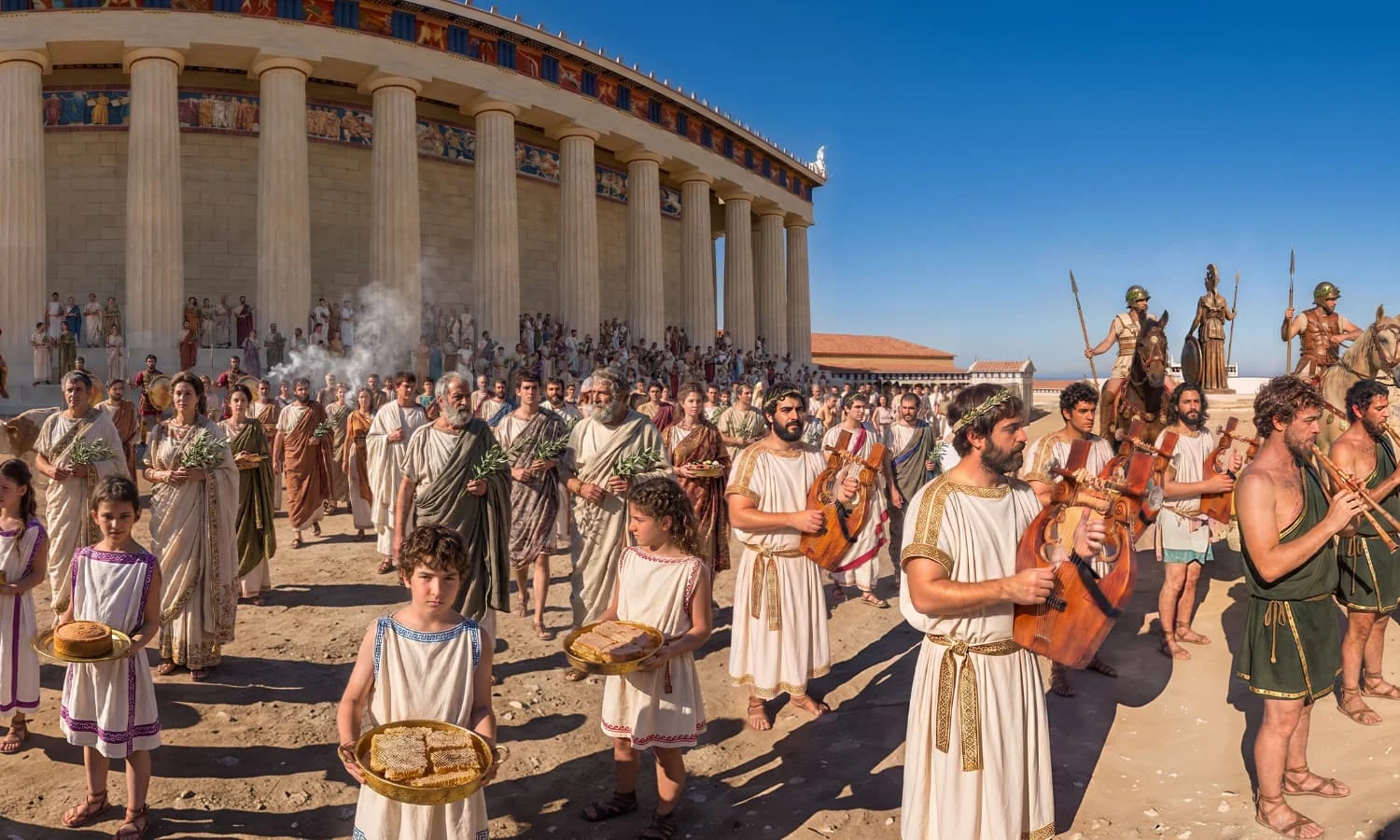

What can TimeLens do for your location?
AR for museums. TimeLens is designed to strengthen visitor experience while respecting historical integrity and the practical realities of heritage organisations.






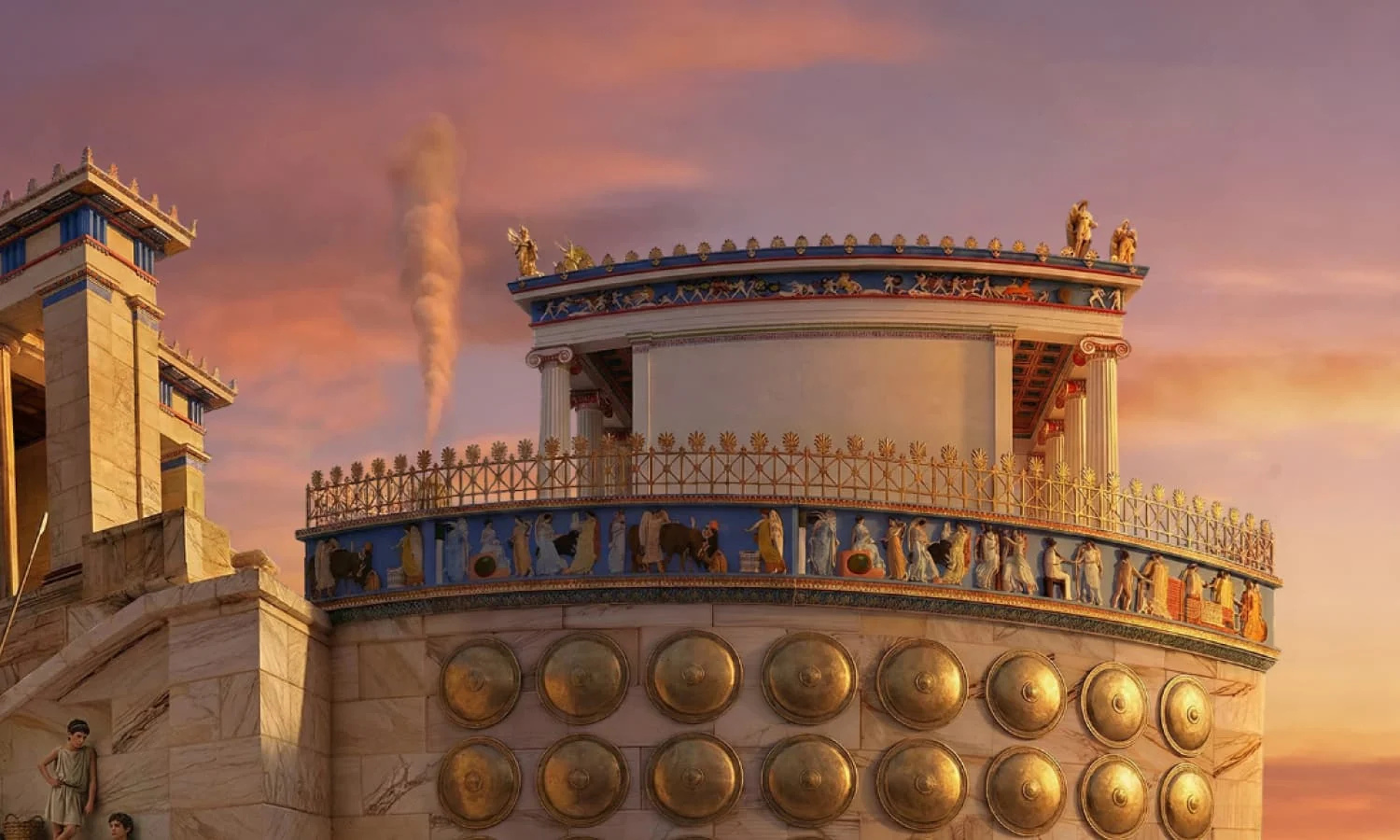
Boost engagement with gamification
TimeLens turns discovery into an experience. Visitors actively search for TimeSpots, unlock badges and earn achievements.
This encourages deeper exploration and gives visitors a clear sense of progress through your site.
Make the invisible visible
Visitors can see how a place once looked in context, with buildings restored and the space filled with life in a single look.
This helps them understand scale, function and atmosphere far more intuitively than remaining ruins alone.
Add storytelling via audio and text
Audio guides and texts provide context while visitors remain immersed in their surroundings.
They help explain what visitors are seeing, why it mattered, and how the place functioned, without requiring visitors to stop and read extensive signage.
Guide visitors to overlooked locations
TimeLens can help distribute visitor flows by drawing attention to locations that are less visited.
By placing TimeSpots strategically, you can encourage new visitors to explore a fuller story of your site, not only the highlights.
Collaboration that keeps institutions in control
TimeLens projects are developed in close collaboration with institutions connected to the site.
From the start, you decide what matters most. Together we define which locations should be included, which moment in time is most meaningful, and which themes should shape the visitor experience. During production, you review the reconstruction as it develops and provide feedback.
This ensures the final result aligns with your interpretation priorities, historical standards and sensitivity requirements. The goal is not only a compelling experience, but one that you recognise as responsible and accurate.
Typical project scope, cost and timeline

Full development
Every project is shaped by the site and the historical complexity involved. A typical TimeLens project consists of several TimeSpots. Each TimeSpot represents a specific location and moment in time, experienced through a 360° reconstruction, with optional audio storytelling.
Depending on what you already have available a project can include historical research and source collection, reconstruction of buildings and environment, creation of an immersive 360° scene, integration into the TimeLens app and map, and a feedback and review cycle with the partner institution.
Hosting your reconstructions
Do you already have reconstructions? We are happy to host them in TimeLens to make your reconstruction easily available to people.
Whether you have 3D models or already generated 360° images we can add them to TimeLens.
3D reconstruction distribution is very easy so can be done at a very low cost.
Timeline and scalability
A first set of TimeSpots can be developed within a few weeks to a few months, depending on complexity and the availability of historical sources.
When hosting your existing images they can be available in TimeLens within a week.
Larger sites can also be developed in phases, allowing you to launch early and build further over time.
Next steps
Whether you want to do a full development or a simple hosting, we are happy to explore a project with you, without obligation.
Discuss a project
Why institutions
choose TimeLens
Heritage institutions choose TimeLens because it offers a practical way to add immersive interpretation without the complexity and costs often associated with digital projects.
Built on historical research
Every reconstruction is developed in collaboration with historians, archaeologists and heritage professionals. Institutions remain closely involved throughout the process, reviewing the scenes and ensuring that what visitors see reflects current historical understanding.
No intrusive installations on site
TimeLens does not require permanent hardware, screens or physical modifications to the site. Institutions can add simple signs or QR codes if they wish, but the experience can also function without them.
Accessible for visitors
The app is designed to run smoothly on a wide range of smartphones, including older devices. Visitors do not need specialised equipment such as VR headsets and can explore independently.
No app development cost
The TimeLens app and technical infrastructure already exist. No need to pay for development and maintenance of an application or digital platform. Your investment goes directly to the creation of historical content, such as reconstructions and audio storytelling.
Scalable and flexible
Institutions can start with a small number of TimeSpots and expand over time. New locations and historical periods can be added gradually as new research or funding becomes available.
No staff or equipment needed
Because the experience runs directly on visitors’ phones, there is no need for VR headsets, loan devices, or staff assistance to operate the experience. Once launched, visitors can explore the reconstructions independently.
Trusted by cultural institutions
Our partners
TimeSpots are developed in collaboration with and with the support of museums, historians and cultural organisations that are dedicated to preserving and sharing historical knowledge.
The partnerships ensure that every reconstruction is grounded in careful research and reflects the historical context of each location.
We are proud to work with institutions that share our commitment to making our heritage more accessible and engaging for visitors.





Want to collaborate
with TimeLens?
Want to bring TimeLens to your location? Whether you want to develop a full new reconstruction or want to add your existing reconstructions to TimeLens, we are happy to discuss all the options with you. Send us an email below and we'll get in touch with you.
Email us