How we make a historical reconstruction: From Archaeological Plans to a Living Scene
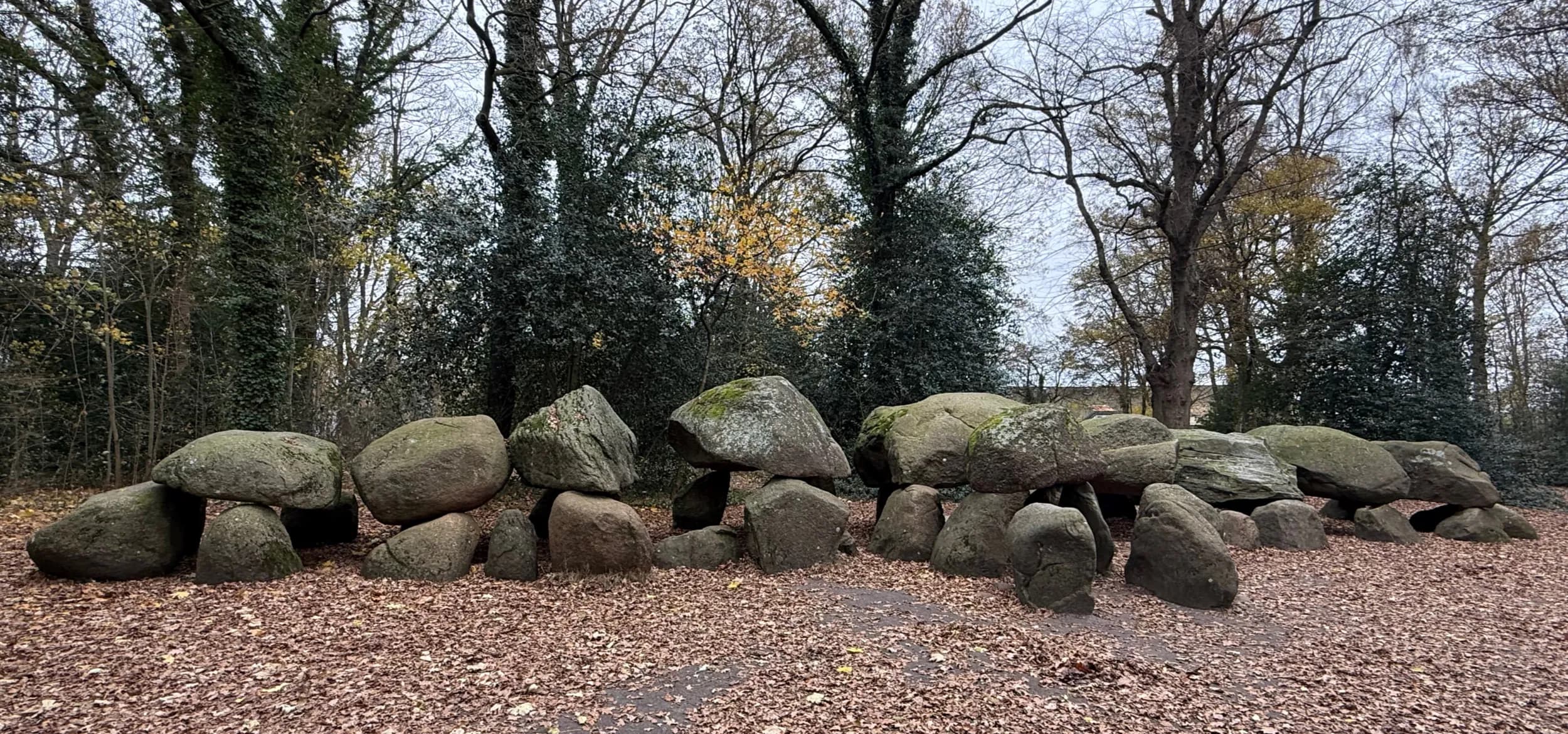
Most historic places we visit today are fragments. A few standing columns, an empty square, foundations hidden in the grass. Turning that back into a place you can stand inside takes far more than imagination. Here is how a TimeLens historical reconstruction comes together, from the first archaeological plan to the finished scene.
It begins with the evidence
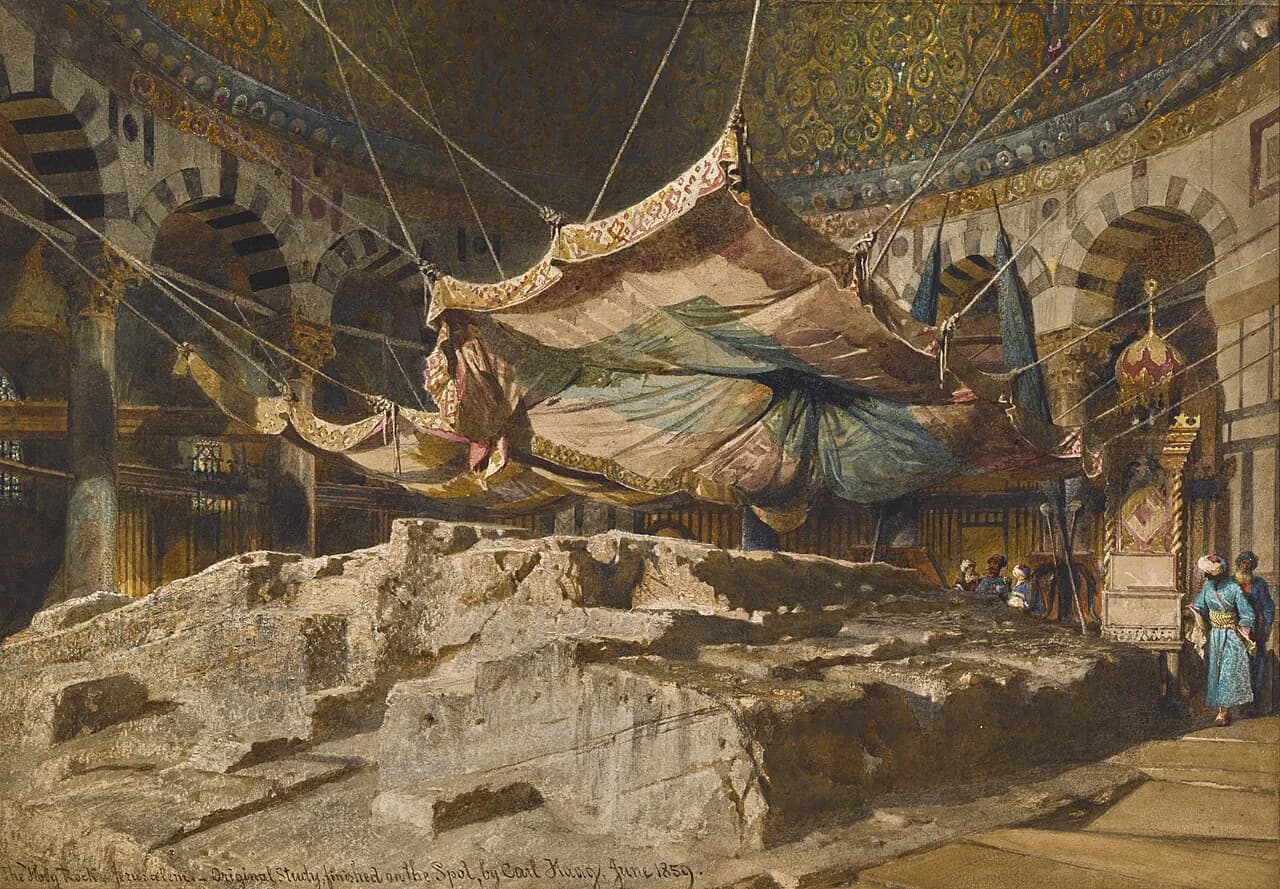
Every historical reconstruction starts with research, not artistry. We work from archaeological plans, excavation reports and surviving remains, alongside the expertise of museums, historians and archaeologists. Nothing is invented to fill a gap for its own sake. Where the evidence is uncertain, we make careful, informed choices and keep them honest. The goal is a place grounded in what is actually known.
Building the structures
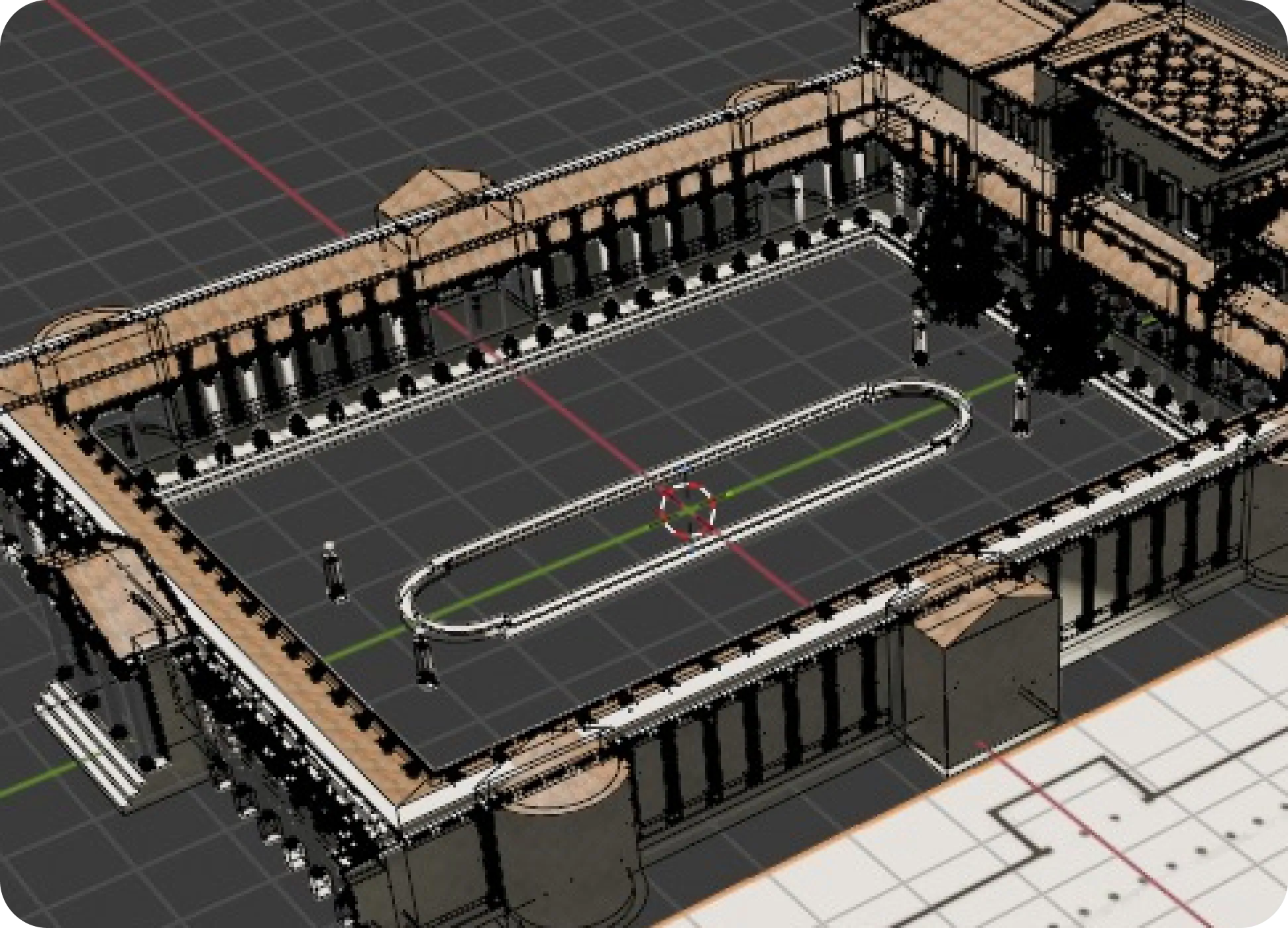
With the research in hand, the buildings are modelled in 3D, reconstructed from the ground up. This is where architectural knowledge matters most: getting the proportions right, choosing the correct materials, and rebuilding details that have not survived above ground for centuries. A column is not just a column. Its height, spacing and finish all have to match the period and the place.
Bringing the historical reconstruction to life
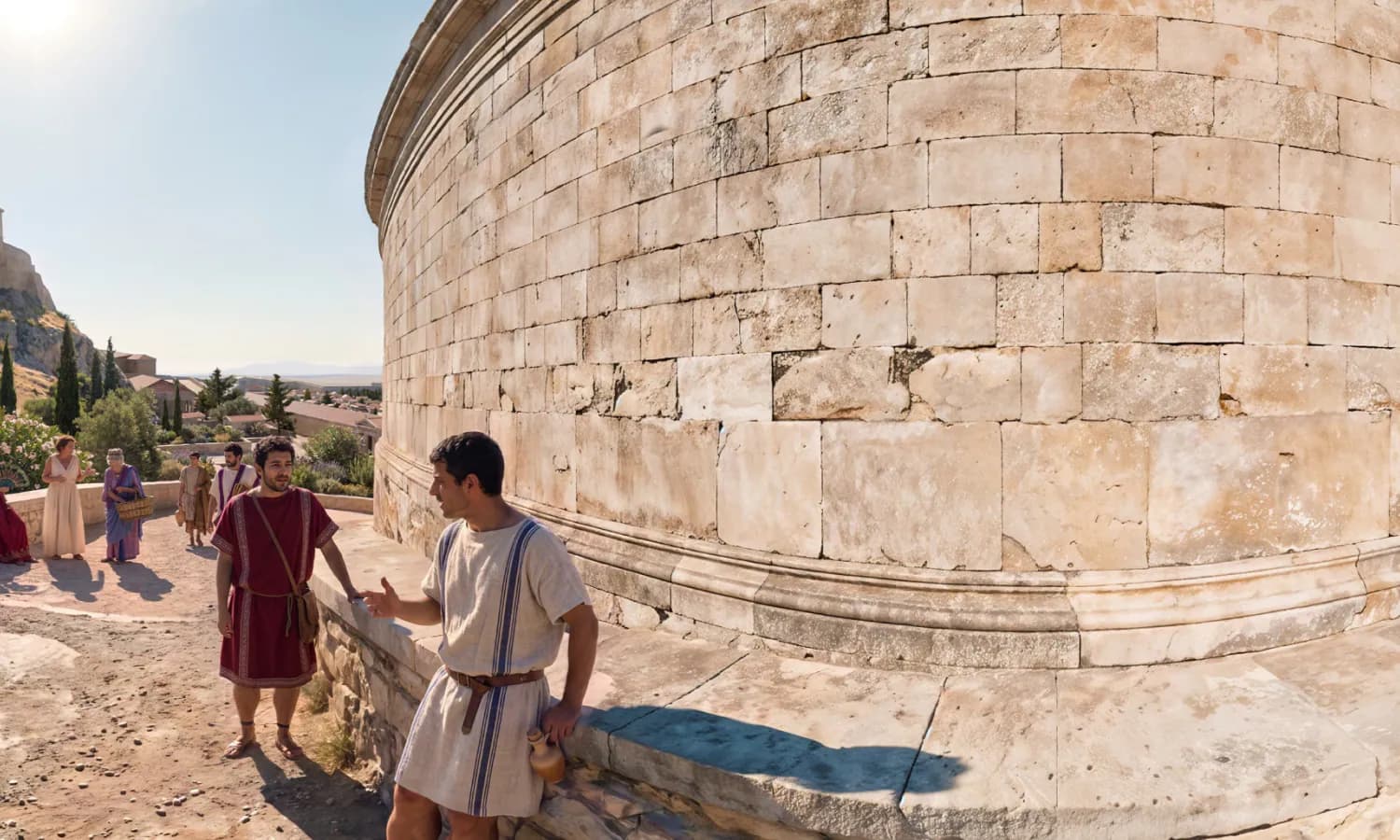
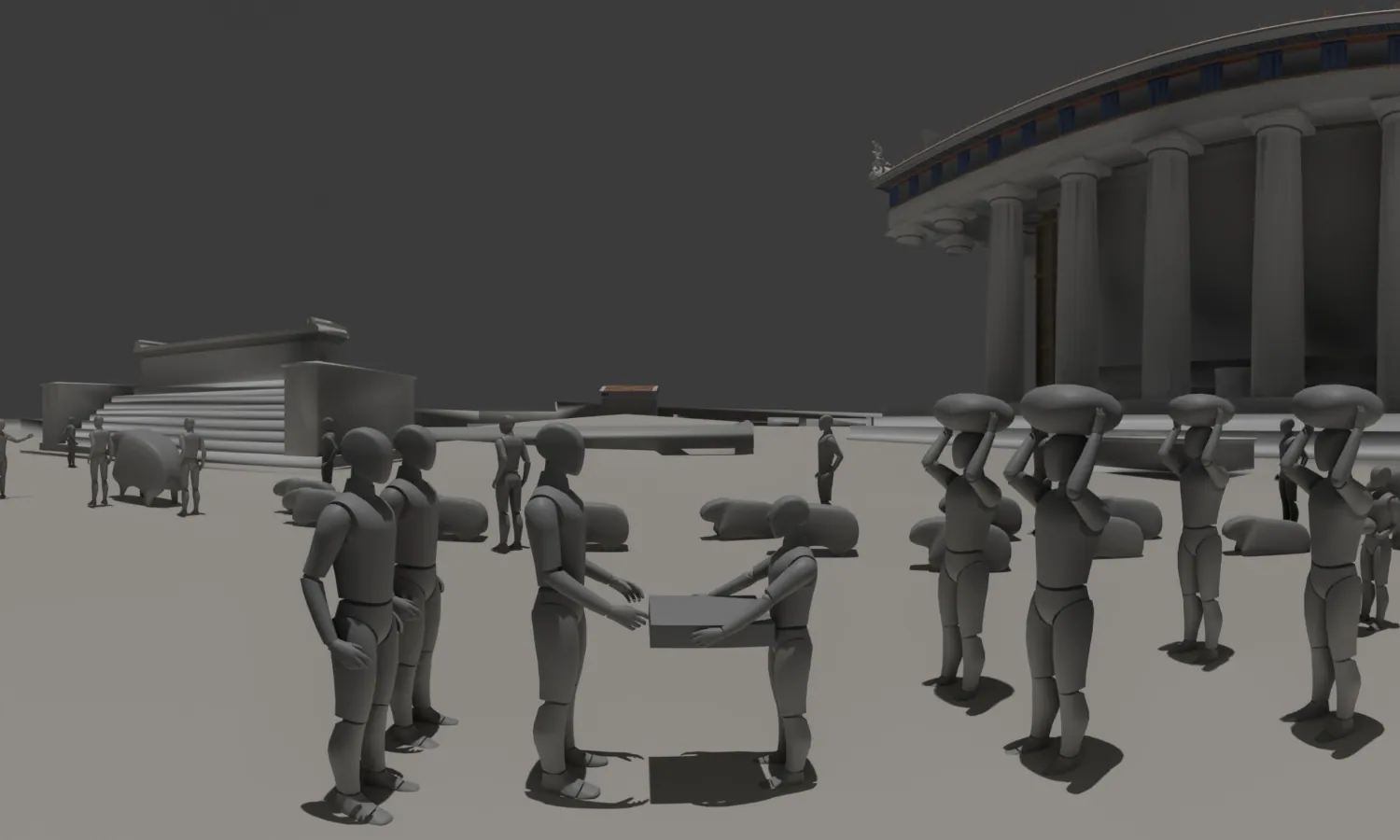
A historic place was never only stone. To make a scene feel real, we add the people, animals and objects that once filled it, posed and arranged to capture a genuine moment rather than a frozen tableau. We also build the wider world beyond the main subject, the city below and the landscape around, so the view holds together in every direction.
Light and atmosphere
Light changes everything. We set the lighting to suit the time of day and the mood of the scene, so marble glows the way it would have under a real sky. Recent work across our existing sites has focused on exactly this, relighting each panorama so it feels less like a model and more like a moment you could step into.
Sound and narration
A place is also something you hear. Ambient soundscapes and carefully made sound effects fill the scene, and a narrated audio guide walks you through what you are seeing in a warm, unhurried voice. Together they turn a still image into a living environment.
Reviewed for accuracy
Before any scene goes live, it is reviewed with the historians and institutions we work with. Historical integrity is the whole point of TimeLens, so accuracy comes before spectacle, every time.
A window you can stand inside
The result is not a film or a museum display, but a place restored exactly where it once stood, ready for you to see, witness and explore. That is what we mean by making history visible.