The painted Parthenon in Colour: Ancient Temples Were Never White
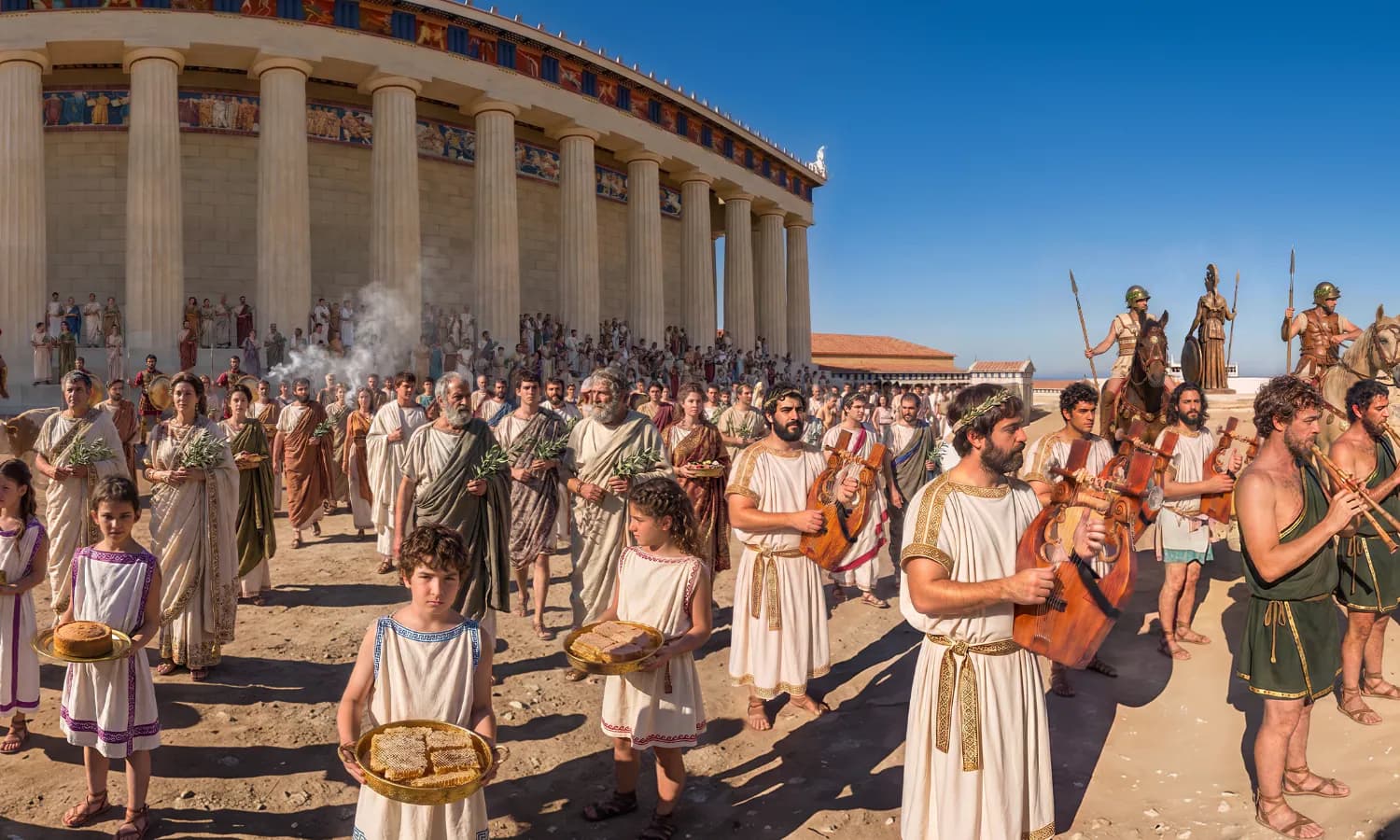
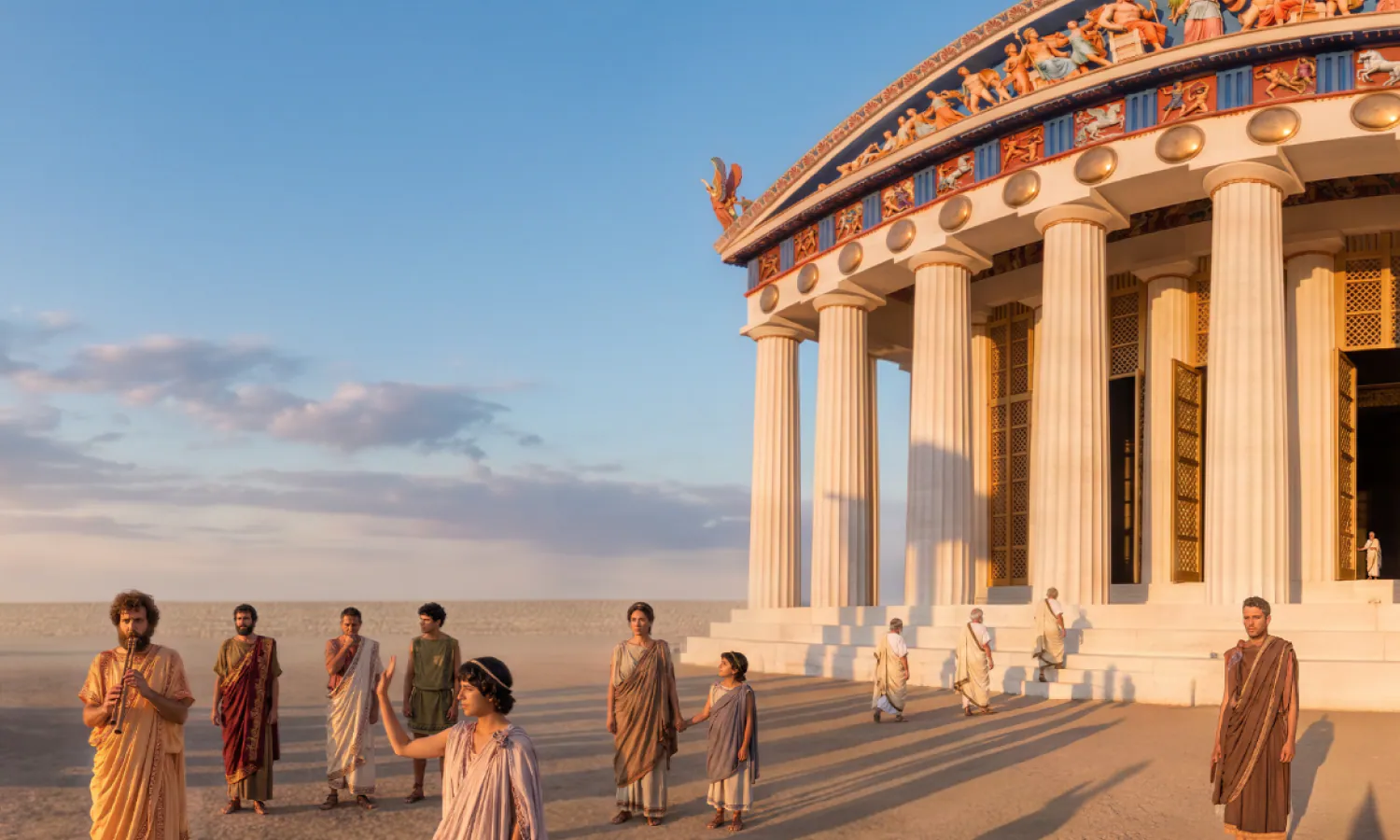
Picture the Parthenon not as the pale marble shell on the Athens skyline, but as a building alive with colour: deep blue backgrounds, borders of red and gold, figures painted in bright pigment high along its walls. For the ancient Athenians, this was the everyday Parthenon. The white temple we imagine never really existed.
Where the myth of the white temple came from
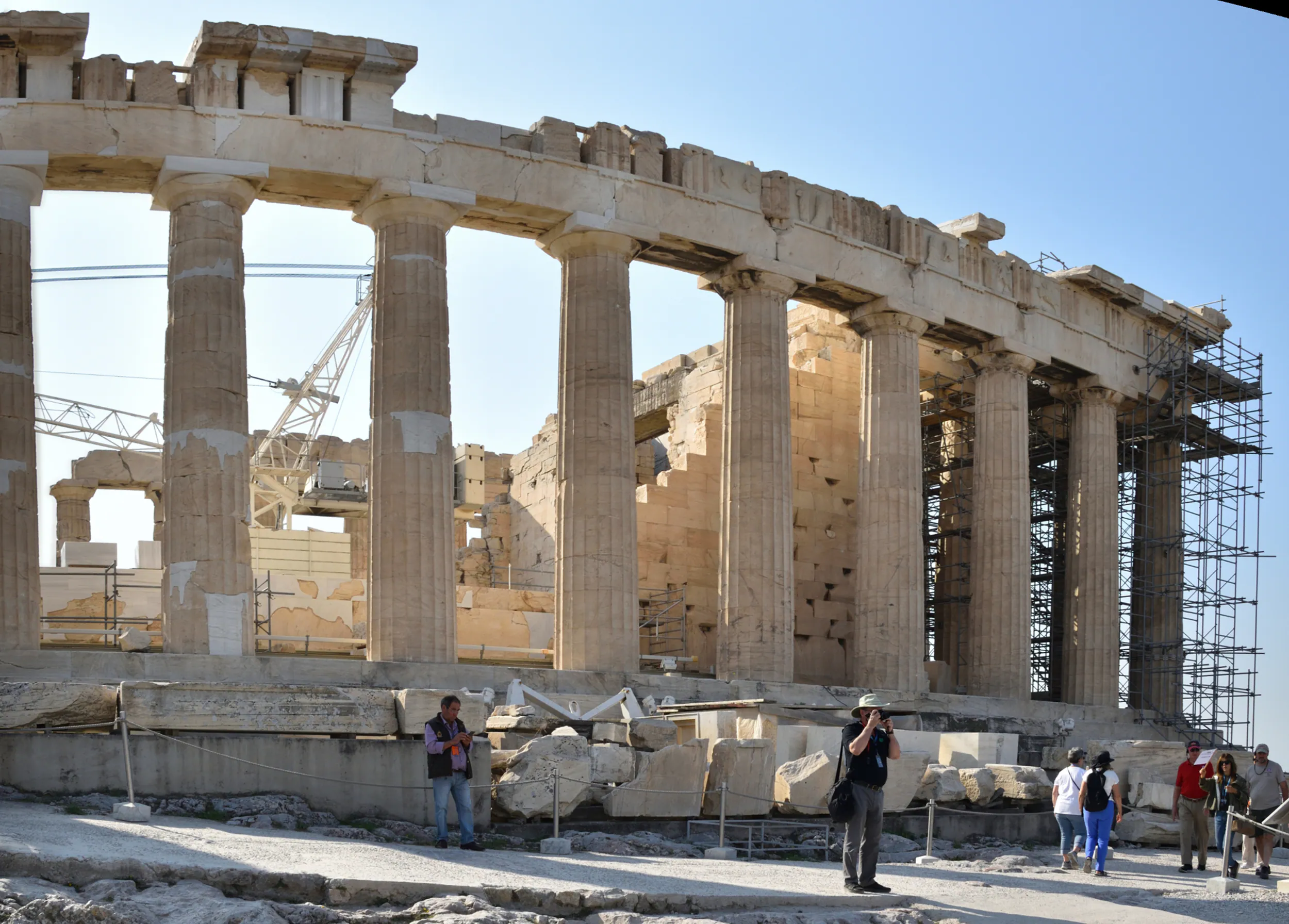
For centuries the Parthenon has been admired for its white brilliance, and that whiteness became tied to ideas of purity and classical perfection. The most influential voice was the 18th century scholar Johann Joachim Winckelmann, whose writing fixed the link between white marble and the classical ideal at the very moment evidence for colour was beginning to appear.
The truth is simpler. Paint does not survive well in the open air. Sun, weather and pollution stripped the colour away over the centuries, and early collectors often cleaned the stone, scrubbing off the very traces that remained. The white marble we inherited is an end state, not an original one.
What the evidence shows
Modern science has brought the colour back into view. Using a gentle imaging method that reveals tiny remnants of a pigment called Egyptian blue, researchers studying the Parthenon sculptures found that they had once been painted in detail, far from plain stone. Separate analysis of the temple itself has identified red and red-orange backgrounds on the metopes, with blue on the framing bands above and below.
The pigments were bound into beeswax and applied to the marble, a method known as the encaustic technique. Reds, blues and greens have all been confirmed, with highlights that would once have included gold.
Why colour mattered
This was not decoration for its own sake. The sculptures sat high above the ground, many metres up on the temple walls. Bright colour made them legible and dramatic against the deep blue sky, turning distant marble into scenes a viewer could actually read.
Seeing the painted Parthenon in its true colours
In TimeLens, the aim is to show these places as the people who built them knew them. Standing before the Parthenon, you can see it not as a faded ruin, but as the bold, colourful temple it was always meant to be.