Was the Erechtheion Really a Harem?
It is one of the most repeated stories about the Acropolis. After the Ottomans took Athens, so the tale goes, they turned the Erechtheion, the elegant temple guarded by the six Caryatids, into a harem for the garrison commander's wives. You will find it in guidebooks, in tour scripts and all over the web. There is just one problem. The evidence for it is remarkably thin.
The story everyone repeats
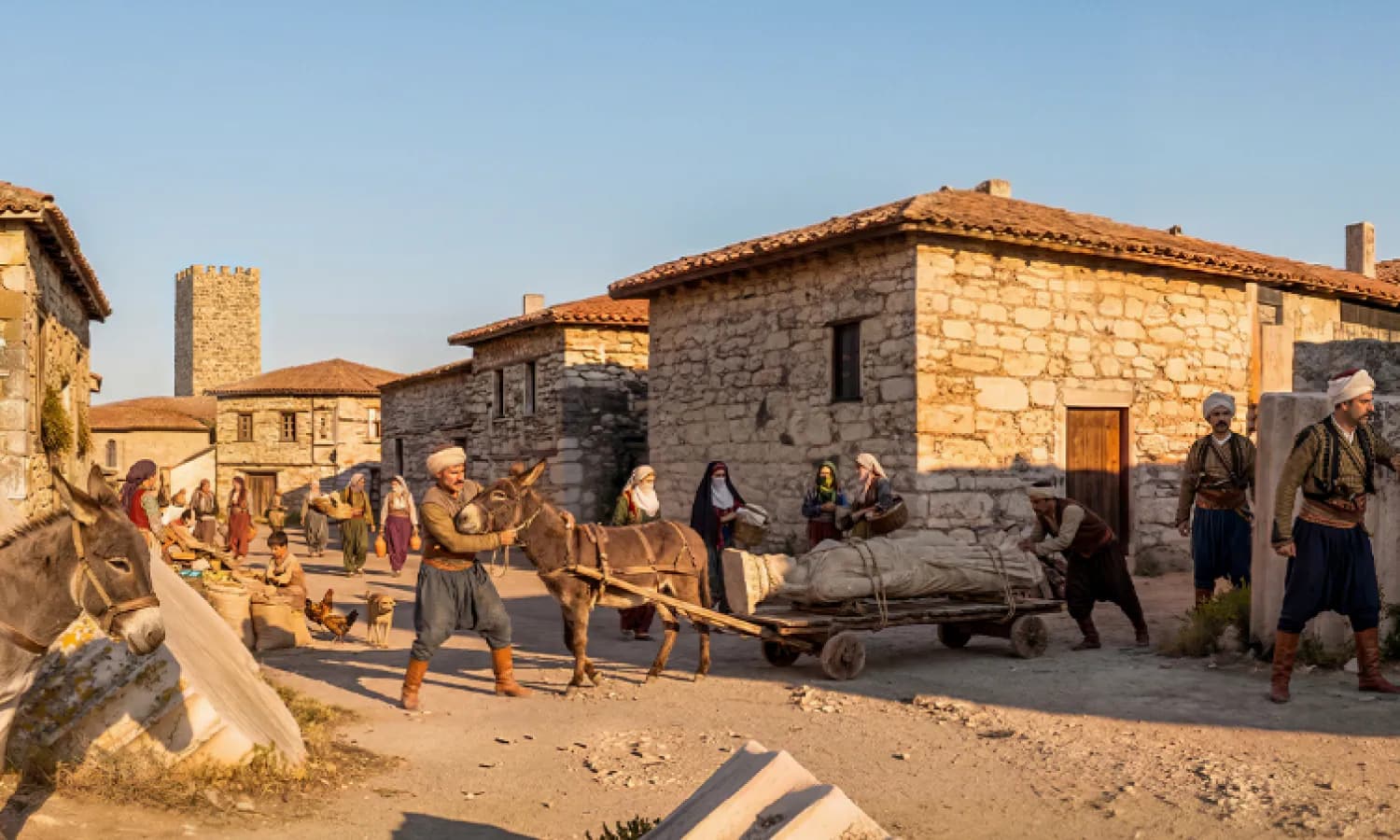
For generations the harem story has been told as plain fact: the temple of the maidens reimagined as a place of secluded women, an exotic footnote to the classical site. It is repeated so often that it feels settled. The building certainly was used in the Ottoman period. The Acropolis was a fortified garrison, the very stronghold the Venetians besieged in 1687, and the commander lived on the rock with the Erechtheion as part of his residence. The leap from residence to harem, though, is where the trouble begins.
What the research actually found
A classical archaeologist at Utrecht University, Janric van Rookhuijzen, set out to trace the story to its source. He worked through the relevant records from the Ottoman period, including Turkish sources that had been little studied, and found no contemporary evidence that the building was a harem. The earliest claims, he showed, came from two seventeenth century visitors, one French and one English, who published popular books describing a harem despite apparently never entering the building, and whose accounts even contradict one another.
Where the myth came from
If not from the records, then where? Van Rookhuijzen argues the harem grew out of a Western fascination with the Ottoman world, the same imagination that pictured harems as mysterious, sensual, secret places. A ruined classical temple supposedly turned into a harem was a story that flattered European prejudices about the Turks far more than it described anything real.
Why a small myth matters
This might sound like a minor correction, but the stories we tell shape how we treat places. The picture of the Ottomans as careless, exotic occupiers helped justify sweeping away almost the entire Ottoman town on the Acropolis after Greek independence, and it coloured the climate in which Lord Elgin removed sculptures from the site, including one of the Caryatids herself. Getting the past right is part of treating it fairly, and that is true of the Ottoman centuries as much as the classical ones.
The Erechtheion in TimeLens
The Acropolis under Ottoman rule was a real, lived place, not a stage set for someone else's fantasy. Long before this, the Parthenon became a mosque and the rock filled with houses, part of the story of Ottoman Athens. In our reconstruction you can see the Erechtheion as part of the working garrison town it actually was, restored to the moment it was still in use.