What Did the Acropolis Really Look Like?
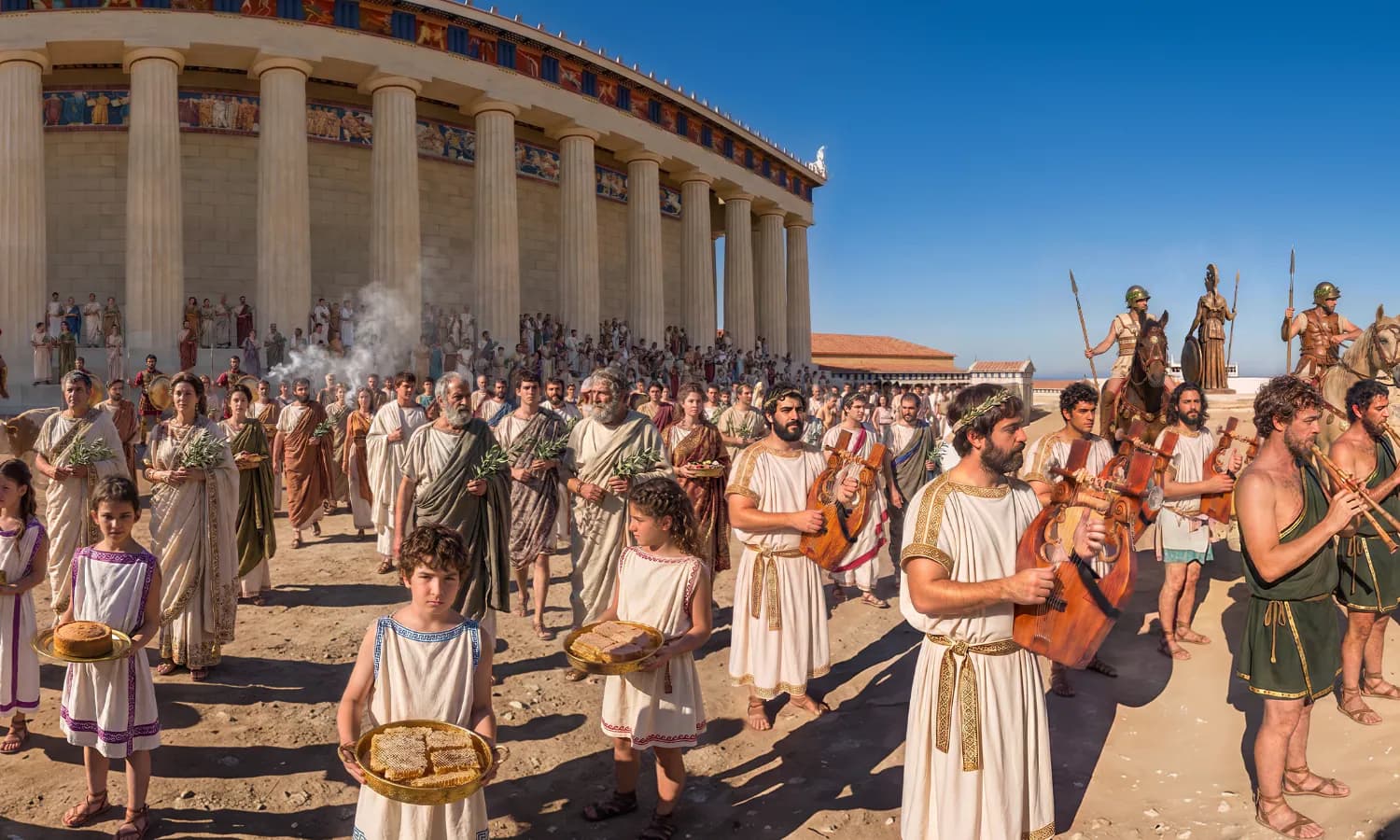
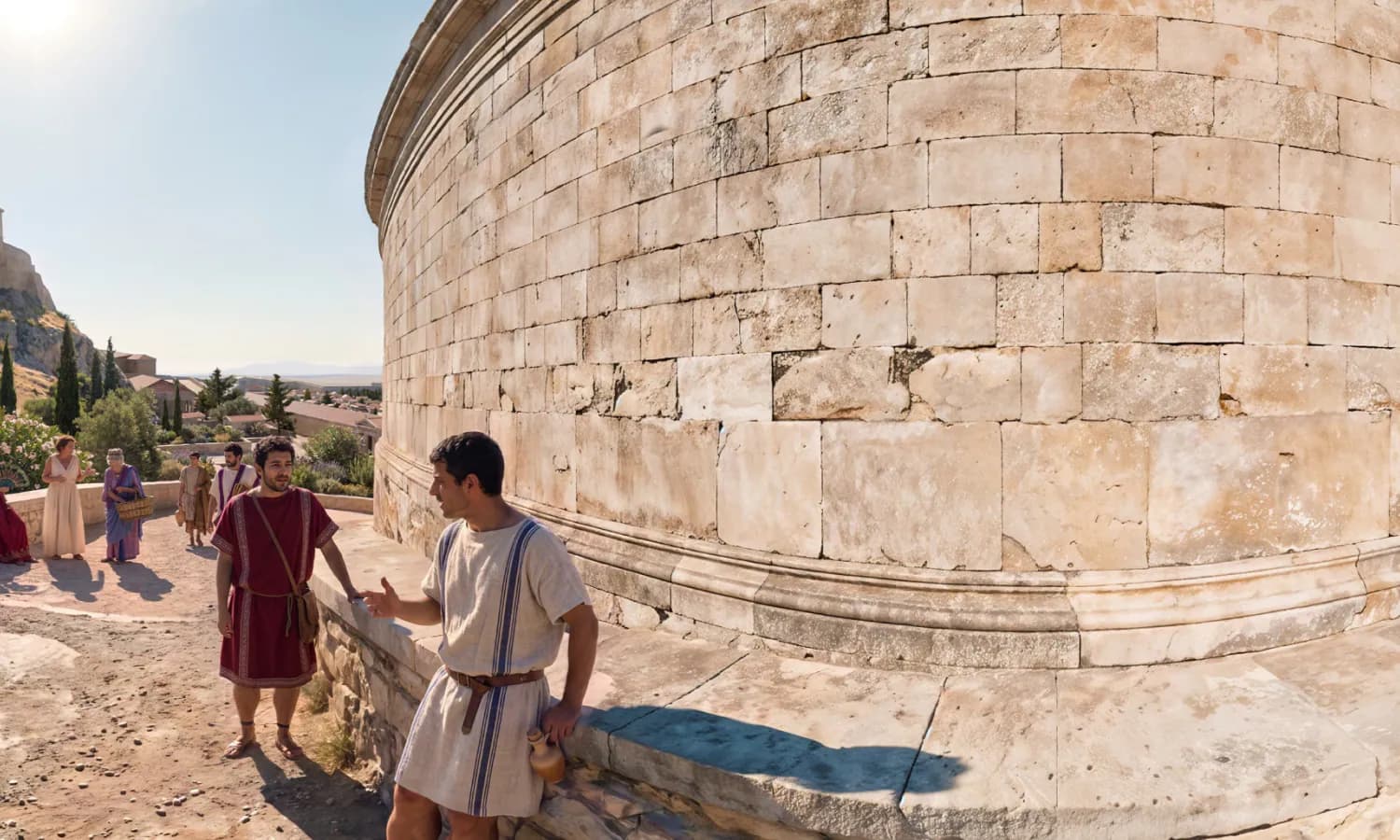
Imagine standing on the rock of the Acropolis in the 5th century BC. Around you rise temples of gleaming marble, their sculptures picked out in deep reds and blues, bronze fittings catching the Athenian sun. This is the Acropolis at the height of its glory, and it looks almost nothing like the ruin that visitors see today.
The Acropolis is one of the most recognisable places on earth. Yet what survives is only a fragment of what once stood there. To picture its original appearance, we have to look past the bare stone and rebuild the rest.
A citadel reborn from ruins
In 480 BC the Persians sacked Athens and burned the temples on the Acropolis to the ground. Rather than leave the wreckage untouched, the Athenians, under the leadership of Pericles, began one of the most ambitious building programmes of the ancient world. Within a few decades the rock was crowned with the monuments we still recognise, though now far more complete than anything left to us.
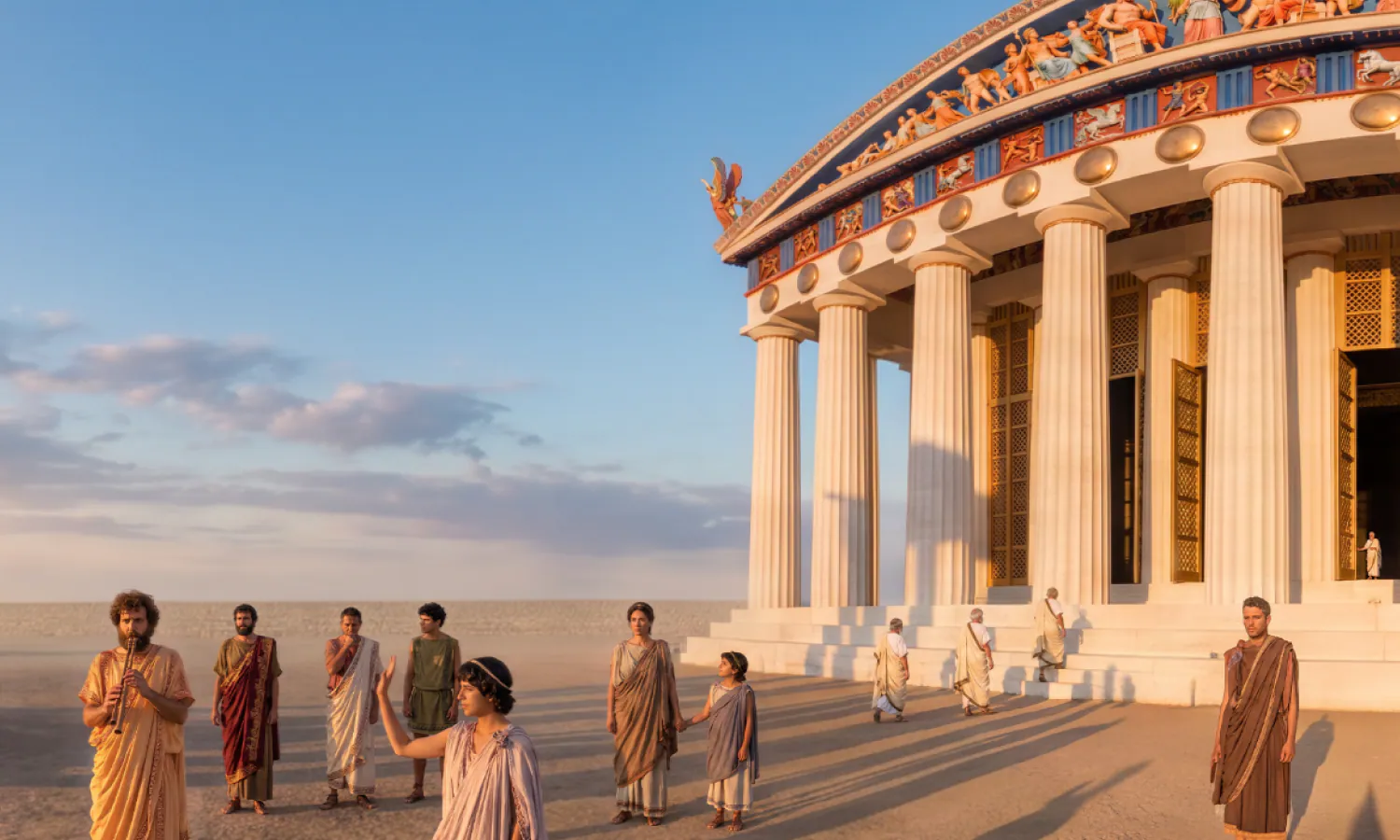
The buildings that crowned the rock
At the centre stood the Parthenon, the great temple of Athena. Inside it once towered the statue of Athena Parthenos, made of gold and ivory by the sculptor Phidias, around twelve metres tall. Beside it rose the Erechtheion, famous for its porch of Caryatids, the columns carved as graceful female figures. The small, elegant Temple of Athena Nike perched on the southwest edge, and the whole sanctuary was entered through the Propylaea, a monumental marble gateway that announced the sacred ground beyond.
Together these buildings were not a museum of separate ruins, but a single, living sanctuary, busy with priests, worshippers, offerings and festivals.
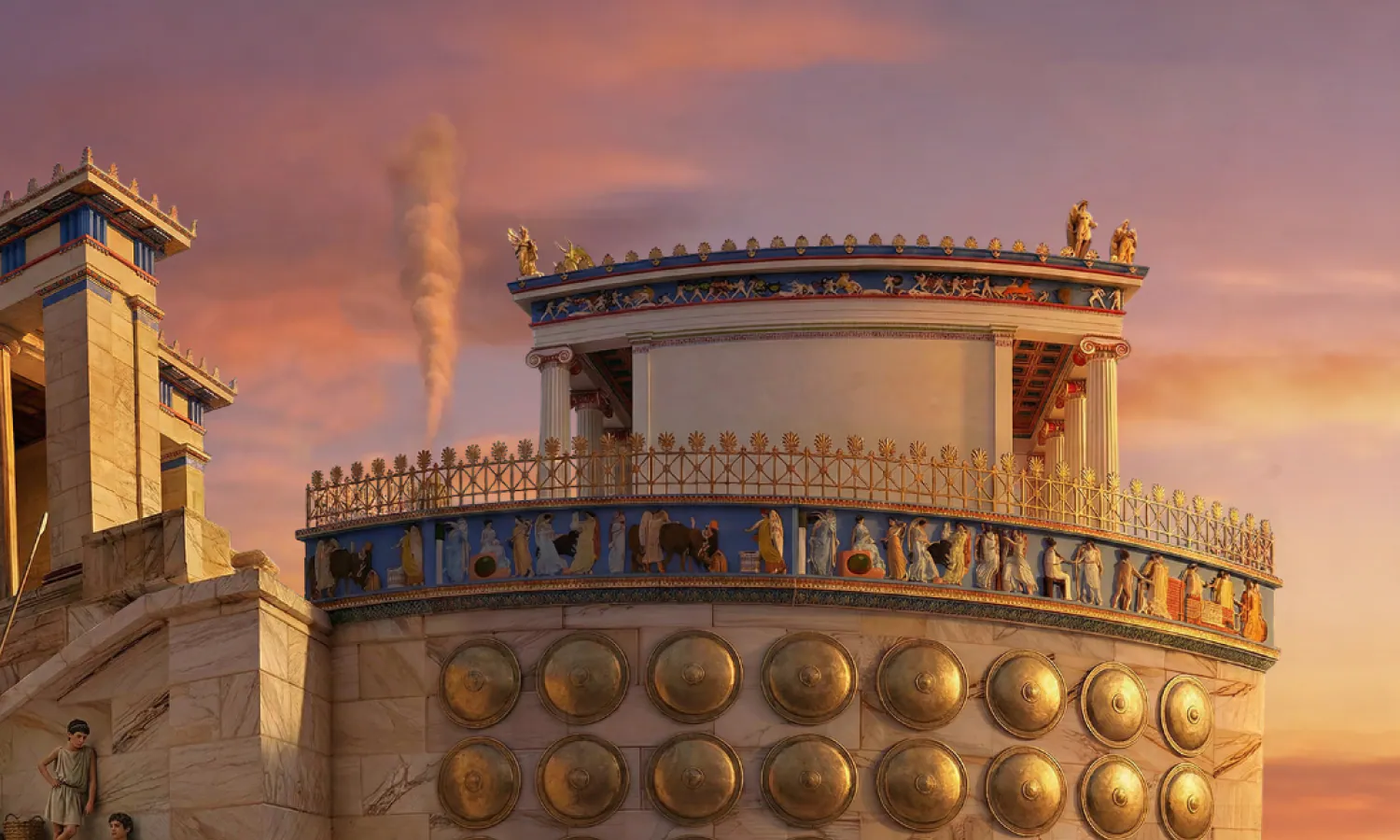
Not white, but full of colour
The image most of us carry, of the Acropolis as pure white marble, is a modern one. In antiquity the temples and their sculptures were richly painted in vivid colour, with details in bronze and gold. The bare stone we see now is what centuries of weather left behind, not what the Athenians built.
See the Acropolis as it once was
This is exactly what TimeLens sets out to restore. Standing on the Acropolis itself, you see the sanctuary made whole again around you, grounded in careful historical research and built together with historians and archaeologists. The fragments fall away, and for a moment the golden age returns.